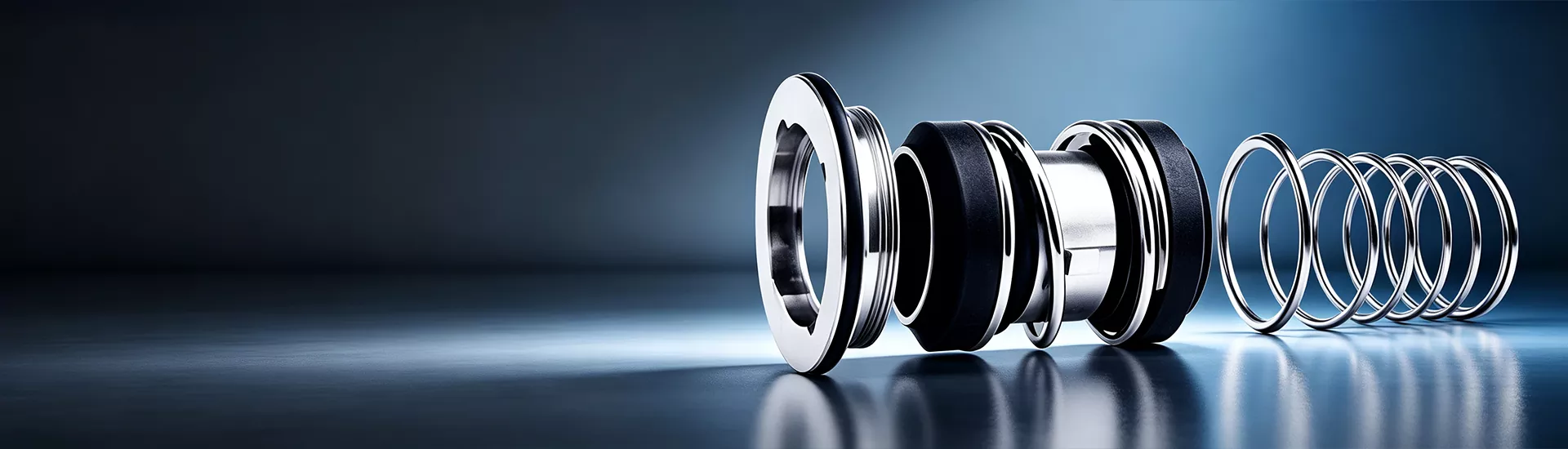
China Advanced Alfa Laval Replacement Mechanical Seals Manufacturer and Supplier
When selecting or replacing Alfa Laval Replacement Mechanical Seals for hygienic, industrial, or marine pumping systems, engineers and maintenance teams need precise technical data. This guide covers product parameters, material choices, operating limits, and common questions. Qixing supplies high-performance drop-in replacements for Alfa Laval Replacement Mechanical Seals across many pump models, offering comparable or upgraded durability for demanding process environments.
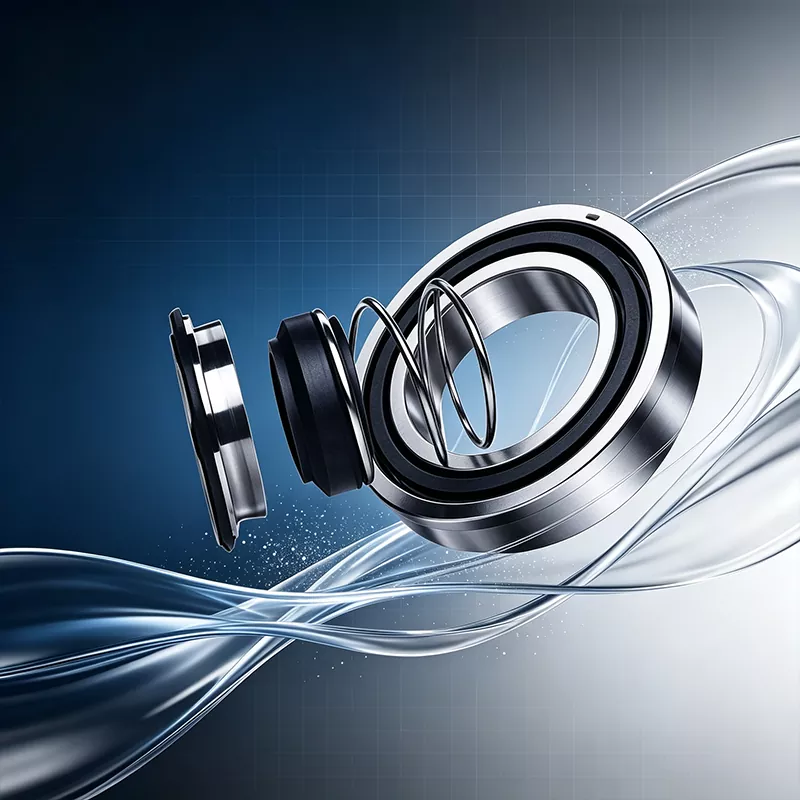
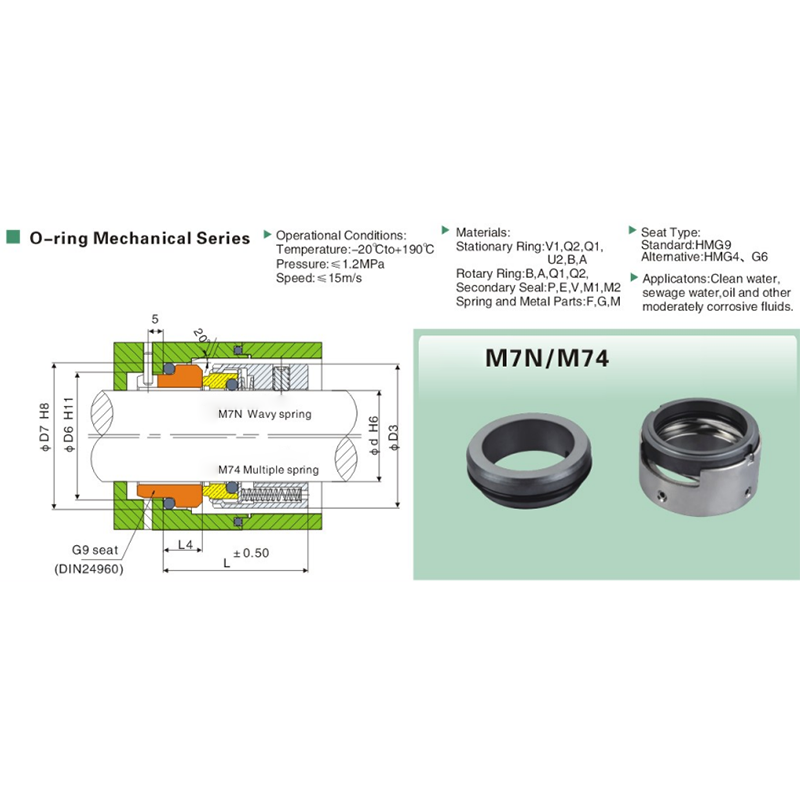
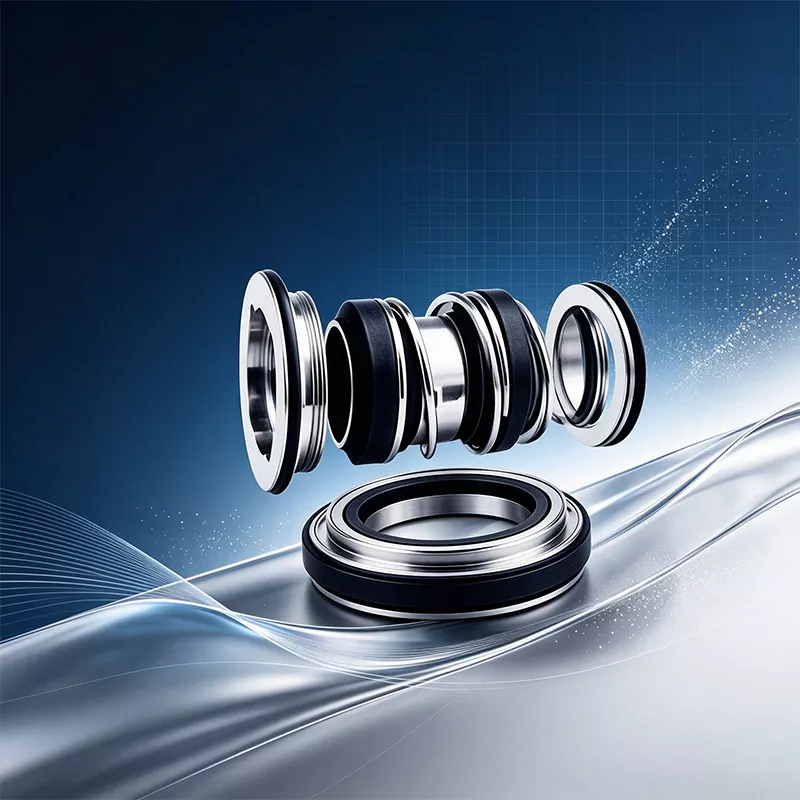
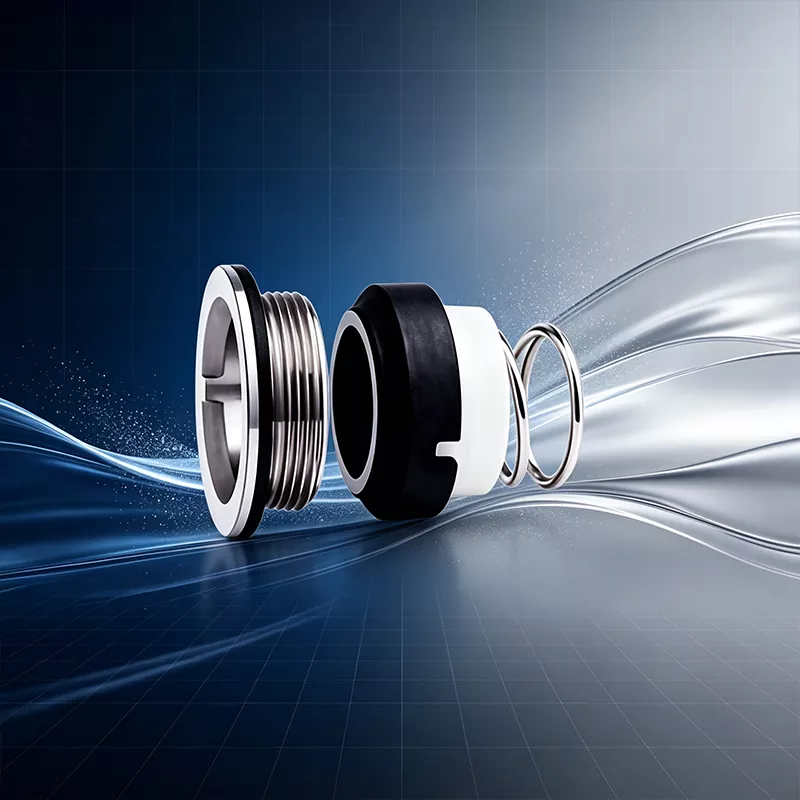
Alfa Laval Replacement Mechanical Seals are used in centrifugal pumps, lobe pumps, and rotary equipment to prevent fluid leakage between the rotating shaft and stationary housing. These seals are widely applied in food and beverage, pharmaceutical, chemical, and wastewater treatment plants. The seals must handle varying pressures, temperatures, and media aggressiveness while maintaining sanitary standards. Typical configurations include single mechanical seals, double mechanical seals, and cartridge seals. Single seals are used for general duties, while double seals provide a barrier fluid chamber for hazardous or sticky media. Cartridge seals simplify installation by pre-assembling the seal components on a sleeve.
Core Product Range and Configurations
- Single mechanical seals: suited for clean liquids, moderate pressures, and temperatures up to 150°C.
- Double mechanical seals: back-to-back or face-to-face arrangements for high hygiene, vacuum, or abrasive media.
- Cartridge seals: pre-set working height and spring load to reduce installation errors.
- O-ring and wedge seals: available in EPDM, FKM, FFKM, and PTFE encapsulated designs.
- Sanitary seals: comply with 3-A, EHEDG, and FDA requirements for food and pharmaceutical processing.
- Inspect the pump shaft or sleeve for wear, scoring, or corrosion before installing a new seal.
- Measure shaft runout and ensure it is within 0.05 mm TIR (total indicator reading).
- Lubricate elastomer O-rings with a compatible assembly fluid, never use petroleum grease on EPDM.
- Tighten gland bolts evenly in a cross pattern to avoid face distortion.
- For double seals, fill the barrier fluid reservoir with the correct buffer medium and monitor pressure differential.
- After installation, rotate the shaft by hand to verify there is no metal-to-metal contact.
- Record initial leakage and operating temperature to establish a baseline for predictive maintenance.
Applications in Industry
Alfa Laval Replacement Mechanical Seals are installed in a variety of industrial settings. In dairy processing, they handle milk, cream, whey, and CIP chemicals at temperatures up to 140°C. In breweries, they manage wort, beer, and yeast slurries with low shear and minimal product entrapment. In pharmaceutical plants, double mechanical seals with barrier fluid prevent cross-contamination during aseptic processing. Chemical manufacturers rely on these seals for acids, alkalis, and organic solvents. Marine and offshore systems use them in cooling water, fuel transfer, and bilge pumps.
Qixing replacement seals are validated for the same application ranges. Each seal is dimensionally inspected against original Alfa Laval drawings or physical samples to ensure a direct fit without pump modification.
Installation and Maintenance Best Practices
Frequently Asked Questions
Q: What is the difference between a single and a double Alfa Laval mechanical seal?
A: A single mechanical seal uses one set of seal faces to separate the process fluid from the atmosphere. It relies on a thin fluid film between the faces for lubrication and cooling. This type is suitable for clean, non-toxic, and non-crystallizing media. A double mechanical seal uses two sets of faces arranged either back-to-back, face-to-face, or tandem. A barrier fluid at a higher pressure is circulated between the faces. Double seals are preferred for hygienic processes, hazardous chemicals, sticky products, or applications requiring zero leakage to the atmosphere. They also allow external cooling and provide a safety backup if the primary face fails.
Q: How do I identify the correct replacement seal for my Alfa Laval pump?
A: You need the pump model, serial number, shaft diameter, and shaft sleeve dimensions. The original Alfa Laval seal drawing number is also helpful. Measure the shaft diameter with a micrometer, inspect the seal housing bore, and note the seal type: single, double, or cartridge. Check the direction of rotation and the pump's maximum operating pressure and temperature. With this information, Qixing can cross-reference the original part number to a compatible replacement. If the pump has been modified or sleeved, a custom seal may be required. Always confirm the seal's working height and spring configuration before installation.
Q: Can Alfa Laval mechanical seals handle abrasive or solid-containing liquids?
A: Standard designs can handle low solids content up to about 5% by weight if the faces are hard materials like silicon carbide against silicon carbide. For higher solids content up to 20% or more, the seal should include a flushed or quench connection to keep particles away from the seal faces. Double seals with a clean barrier fluid are recommended for slurries, crystallizing solutions, or products that form a sticky film. Qixing offers specialized hard face combinations, such as tungsten carbide against silicon carbide, and open-impeller compatible seal chambers to reduce particle accumulation at the seal faces.
Q: Does Qixing provide custom seals for non-standard Alfa Laval pumps?
A: Yes. Qixing can reverse-engineer custom seals for obsolete or modified Alfa Laval pumps. Customers can send the original seal, pump shaft, or detailed drawings. Qixing engineers will measure all critical dimensions, select appropriate face and elastomer materials, and manufacture a match-fit replacement. For special applications, Qixing can also upgrade the seal design with hard faces, better spring protection, or higher temperature elastomers. Custom lead time is typically 15 to 30 days depending on complexity. All custom seals are tested for flatness, spring load, and dimensional accuracy before shipment.
Ordering and Technical Support
For technical datasheets, 3D models, or pricing on Qixing replacement Alfa Laval Replacement Mechanical Seals, contact the sales engineering team with your pump model and seal part number. Standard seals are stocked for immediate shipment, and emergency delivery options are available for production-critical applications. Qixing provides material certificates, pressure test reports, and FDA compliance documentation upon request.
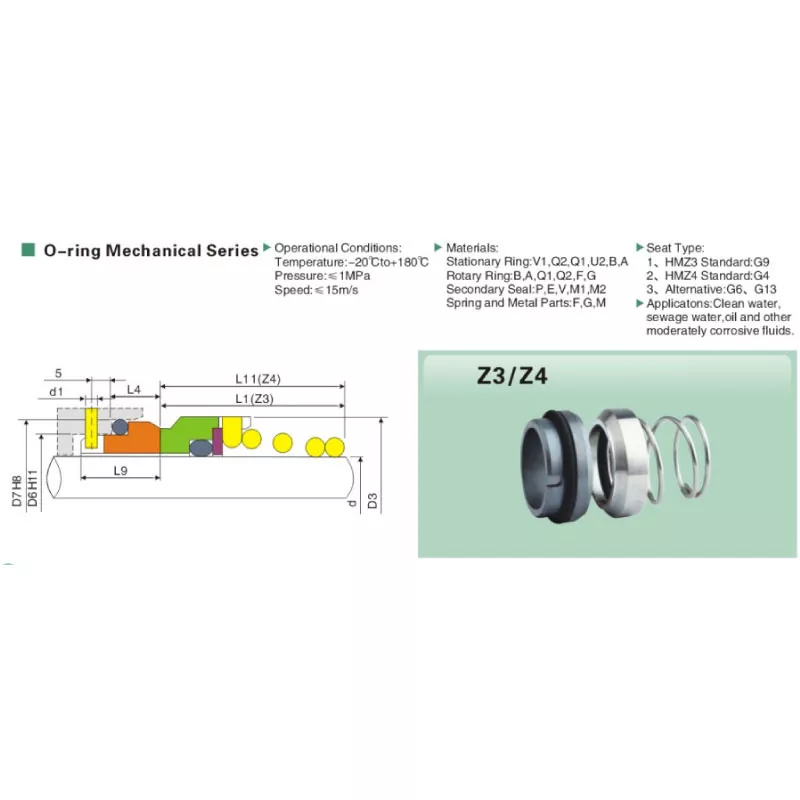
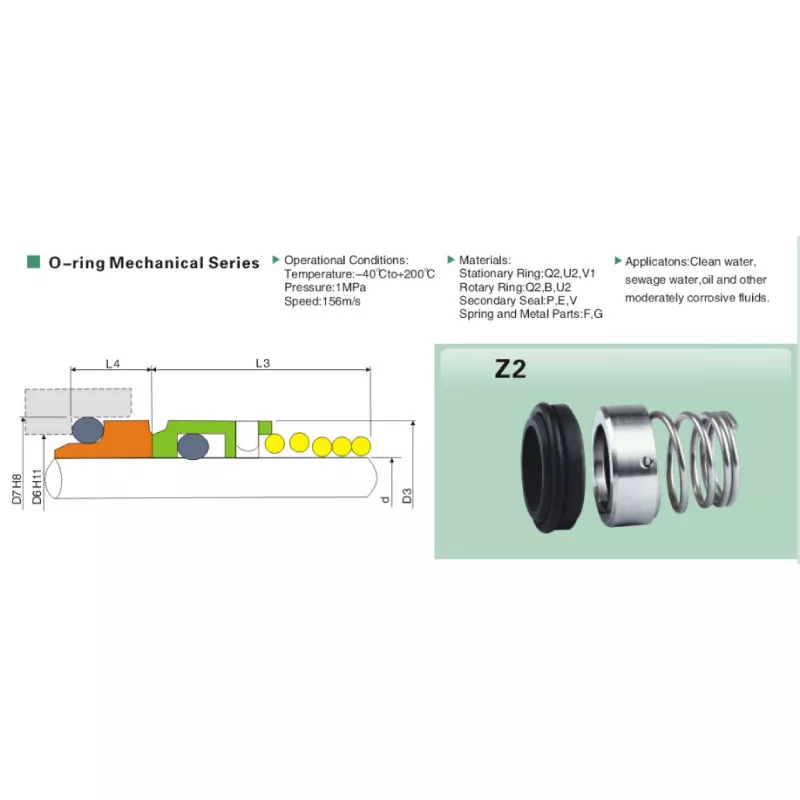
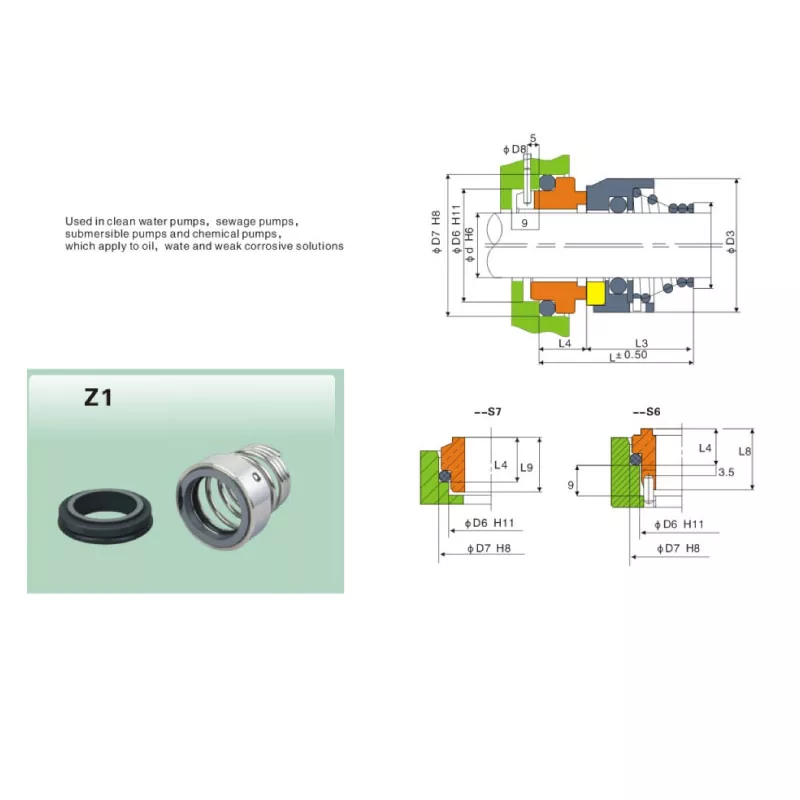
Qixing offers in-stock Alfa Laval Replacement Mechanical Seals for global buyers. Buy wholesale or bulk at low price. Send inquiry now!