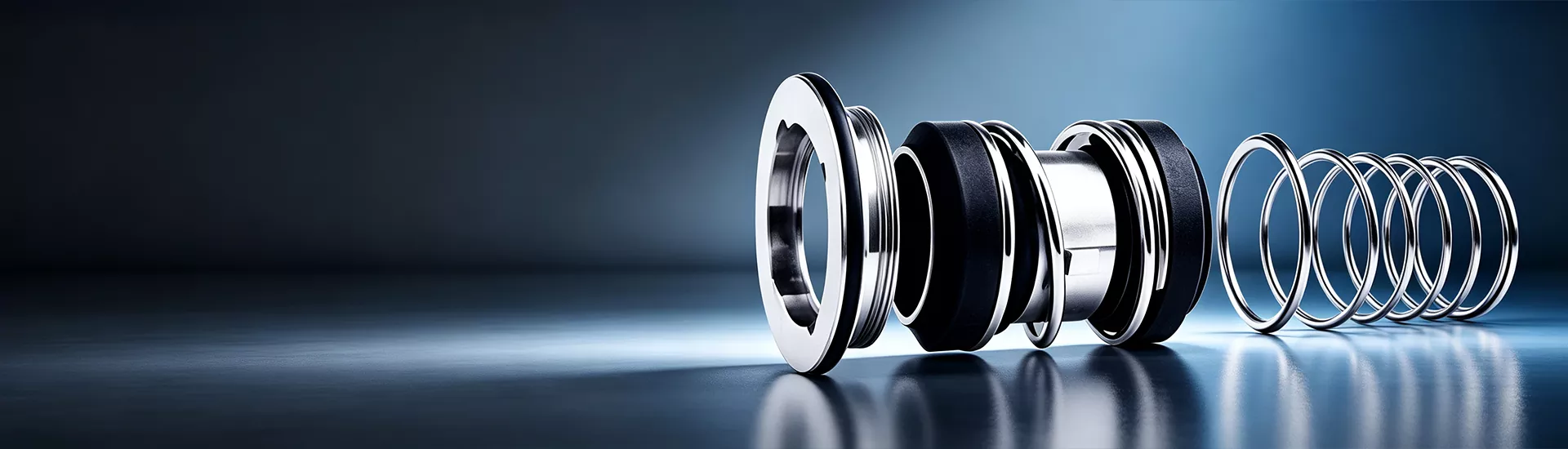
China Reliable Mechanical Seal Components Manufacturer
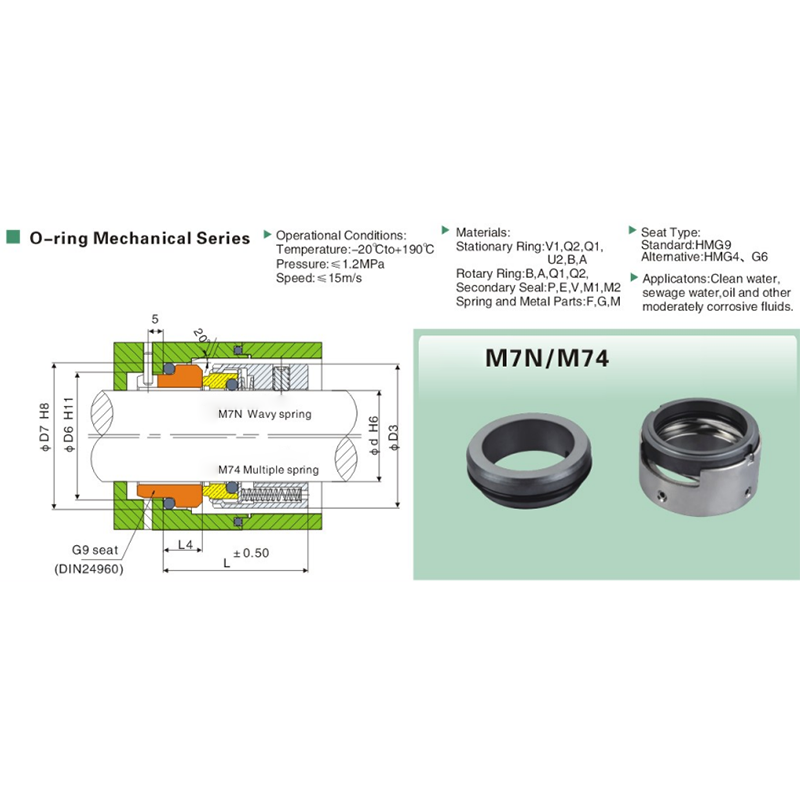
In industrial fluid handling systems, Mechanical Seal Components are the critical sealing elements installed between a rotating shaft and a stationary pump housing. Their primary role is to contain process fluid while allowing the shaft to rotate with minimal friction and wear. A well-engineered mechanical seal consists of several precision components that must work together under changing pressure, temperature, and chemical conditions. Qixing designs each mechanical seal part with strict dimensional tolerances and surface flatness standards to provide reliable performance in water treatment, chemical processing, food and beverage, pharmaceutical, and oil and gas applications.
Qixing Cartridge Seal Models and Specifications
| Model | Shaft Diameter | Pressure Rating | Temperature Rating | Max Speed | Typical Use |
|---|---|---|---|---|---|
| QX-101 | 12 mm to 45 mm | 1.2 MPa | -20°C to 120°C | 10 m/s | Clean water, light chemicals |
| QX-200 | 18 mm to 75 mm | 2.5 MPa | -30°C to 180°C | 15 m/s | Chemical pumps, refinery transfer |
| QX-301 | 25 mm to 100 mm | 4.0 MPa | -40°C to 220°C | 20 m/s | High-pressure multistage pumps |
| QX-500 | 35 mm to 120 mm | 2.0 MPa | -20°C to 150°C | 12 m/s | Slurry, abrasive media, mining |
| QX-750 | 50 mm to 200 mm | 3.0 MPa | -30°C to 200°C | 15 m/s | Large circulation pumps, power generation |
How to Select the Right Mechanical Seal Components
Selecting the correct Mechanical Seal Components begins with a complete understanding of the process fluid and operating conditions. The first step is to determine the shaft diameter, stuffing box dimensions, and available axial space. Next, record the suction and discharge pressures, operating temperature, shaft speed, and any pressure spikes or temperature cycling that may occur during start-up and shutdown.
The chemical composition of the pumped fluid is equally important. Acids, alkalis, solvents, and aggressive salts require face materials that resist corrosion and maintain their flatness over time. For abrasive slurries or fluids with suspended solids, Qixing recommends hard face pairings such as silicon carbide against silicon carbide, along with a flush plan that keeps solid particles away from the seal faces. For highly viscous fluids or fluids that tend to crystallize, a single spring design or metal bellows may be preferred because it avoids clogging around multiple small springs.
Environmental regulations and product purity requirements also influence selection. Double seals or tandem seals with a barrier fluid provide an extra layer of protection for hazardous or toxic media. In food and pharmaceutical applications, Qixing supplies seals with FDA-compliant elastomers and electropolished metal parts to meet hygienic standards. When the process fluid has poor lubricating properties, the seal face materials must have self-lubricating characteristics or the seal must be operated with an external flush source.
Frequently Asked Questions
Q: What are the main components of a mechanical seal?
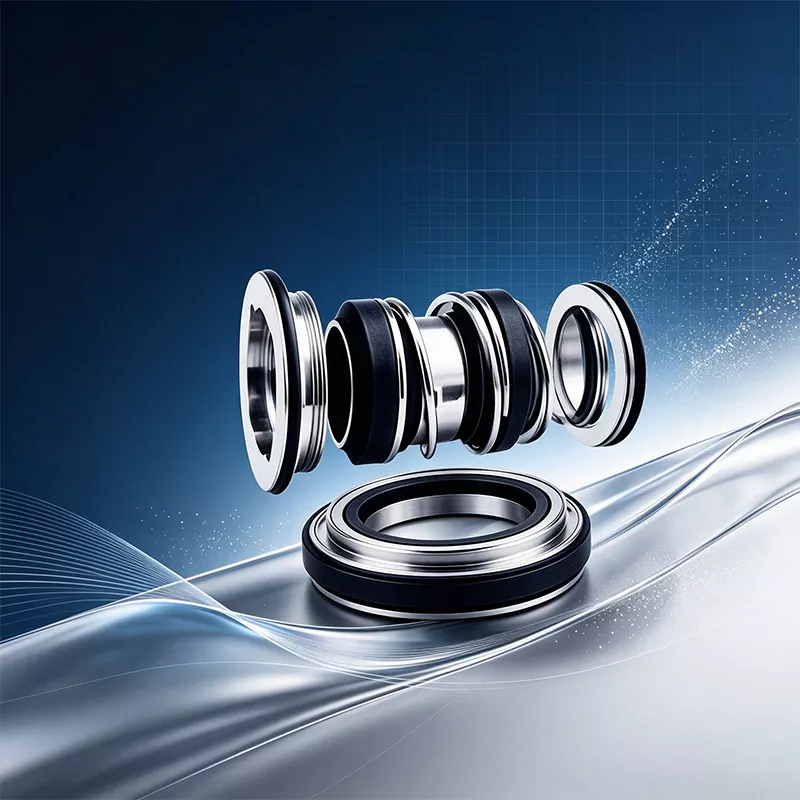
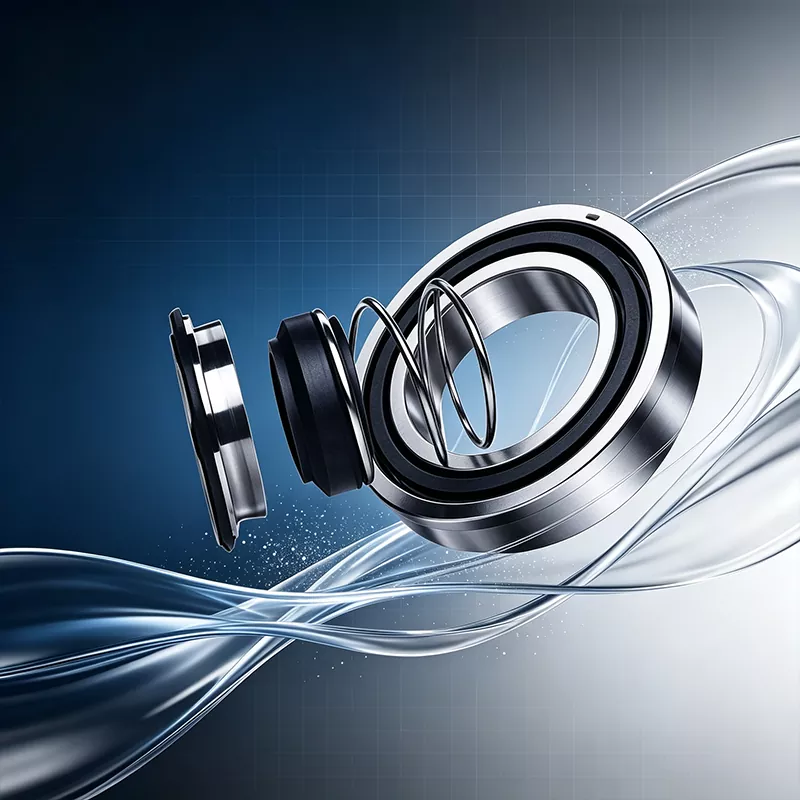
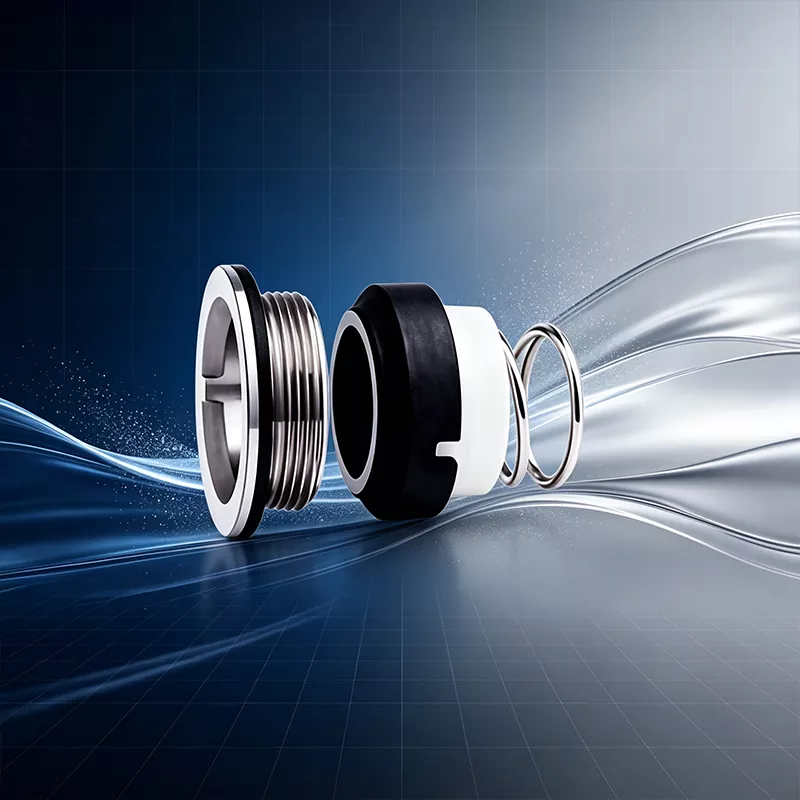
A: A typical mechanical seal consists of a rotating seal face, a stationary seal face, secondary sealing elements such as O-rings or gaskets, springs or bellows, a drive mechanism, and often a shaft sleeve and gland plate. The rotating face is mounted on the shaft and turns with it, while the stationary face is held in the gland plate. The springs push the two faces together to maintain contact. Secondary seals prevent leakage between the faces and the shaft or housing. In cartridge designs, all Mechanical Seal Components are pre-assembled on a sleeve for easier installation.
Q: How do I choose the right material?
A: Material selection depends on the chemical nature of the fluid, operating temperature, pressure, and the presence of abrasive particles. For clean water and mild chemicals, carbon graphite against alumina ceramic or silicon carbide works well. For aggressive acids and strong solvents, silicon carbide against silicon carbide or tungsten carbide is often preferred. The secondary seals must be compatible with the fluid as well. EPDM suits hot water and steam, FKM handles many oils and chemicals, and PTFE or FFKM is used for aggressive solvents and high temperatures. Qixing provides a material compatibility guide with each seal series to simplify this process.
Q: What causes premature failure?
A: The most common causes of premature failure include running the seal dry, operating with excessive shaft runout, using incompatible face materials, clogging the flush line, and improper installation. Dry running is especially damaging because the fluid film between the seal faces disappears, causing rapid heat buildup and cracking. Misalignment or bearing wear can also create uneven face contact. Chemical attack from the process fluid can degrade elastomers and seal faces. Regularly checking flush flow, shaft alignment, and process conditions prevents most early failures.
Q: Can Qixing seal parts be used in abrasive or corrosive fluids?
A: Yes. Qixing offers hard face combinations such as silicon carbide against silicon carbide and tungsten carbide against tungsten carbide specifically for abrasive slurries. For corrosive fluids, the seal faces, springs, and metal parts can be upgraded to Hastelloy, Alloy 20, or duplex stainless steel, and the secondary seals can be made from FFKM or PTFE. In highly abrasive services, a flush plan using clean external fluid or a cyclone separator helps keep solid particles away from the seal faces and extends service life significantly.
Q: What flush plan should I use with mechanical seal parts?
A: The flush plan depends on the fluid and the seal arrangement. Plan 11 recirculates discharge fluid through a flow control orifice to cool and lubricate the seal faces, which works well for clean water and light chemicals. Plan 32 injects clean external fluid into the seal chamber and is used for abrasive or hot fluids. Plan 53 uses a barrier fluid reservoir for double seals, maintaining pressure above the process. Plan 62 uses a quench fluid on the atmospheric side to prevent crystallization or icing.
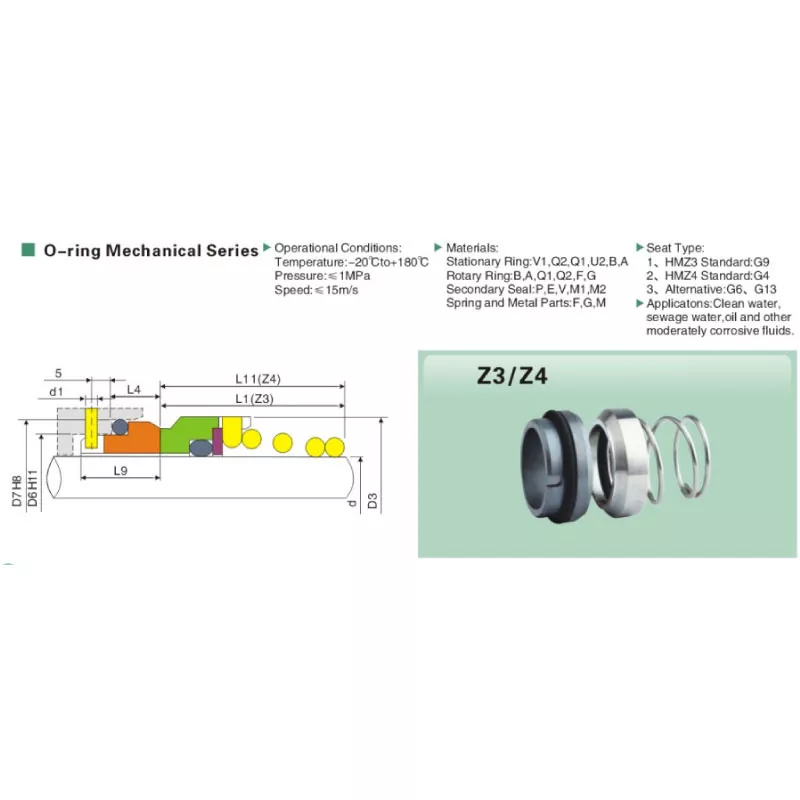
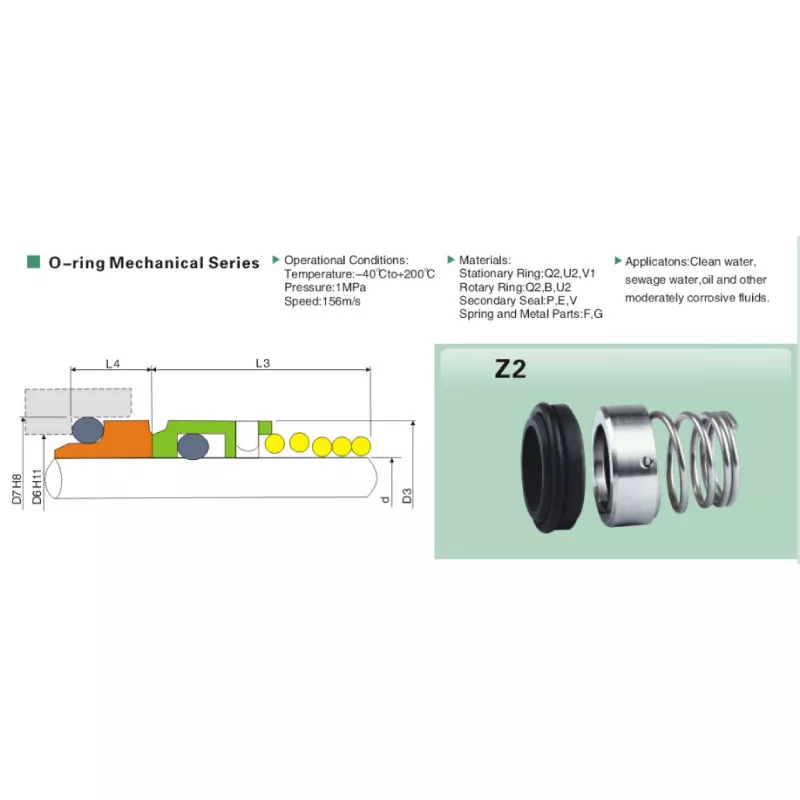
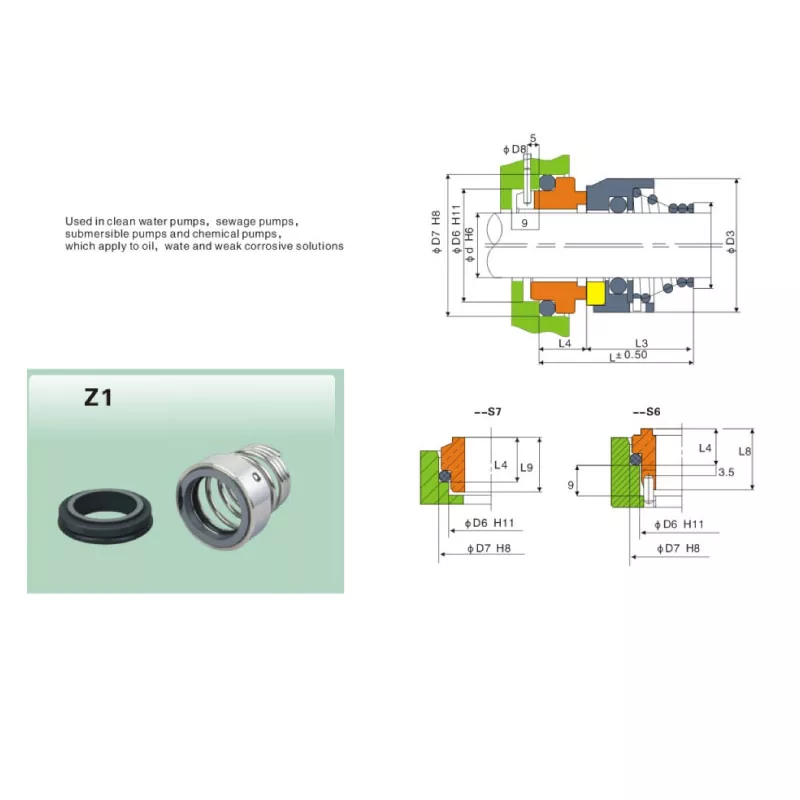
Qixing offers in-stock Mechanical Seal Components for global buyers. Buy wholesale or bulk at low price. Send inquiry now!