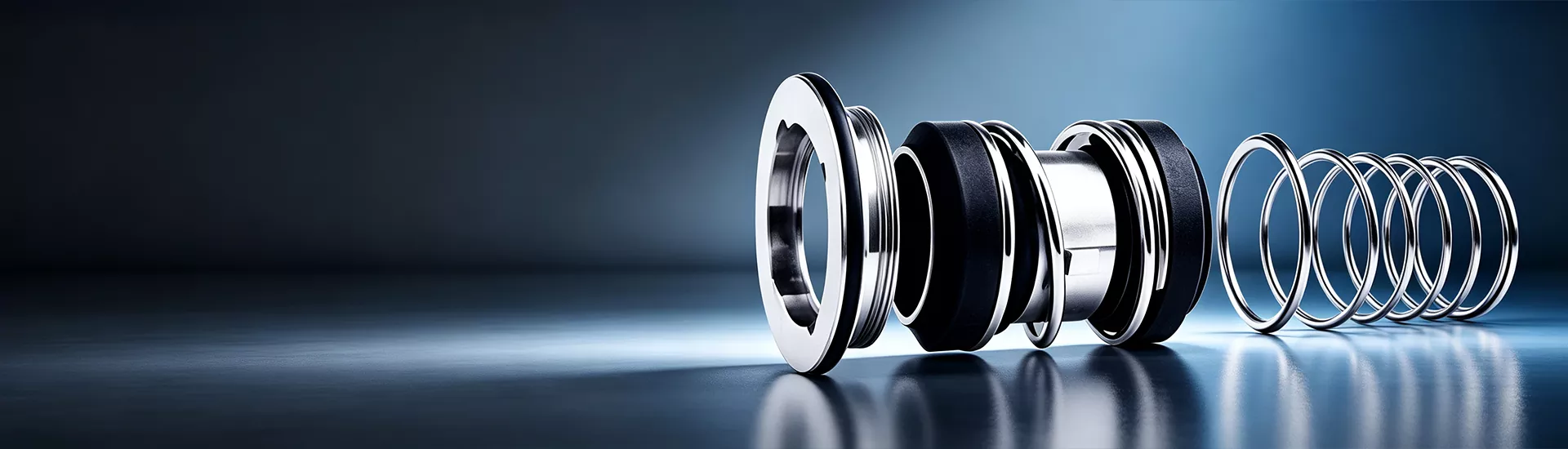
China Wholesale Sanitary Pump Mechanical Seals Manufacturer
In hygienic processing industries, Sanitary Pump Mechanical Seals are critical components that maintain product purity while preventing leakage at the rotating shaft interface of pumps. These seals must withstand aggressive cleaning chemicals, high temperatures, and strict regulatory standards. A well-designed sanitary mechanical seal reduces downtime, extends equipment life, and safeguards both product quality and operator safety. Unlike industrial seals, sanitary versions feature crevice-free designs, polished wetted surfaces, and FDA-compliant materials to eliminate bacterial harborage points.
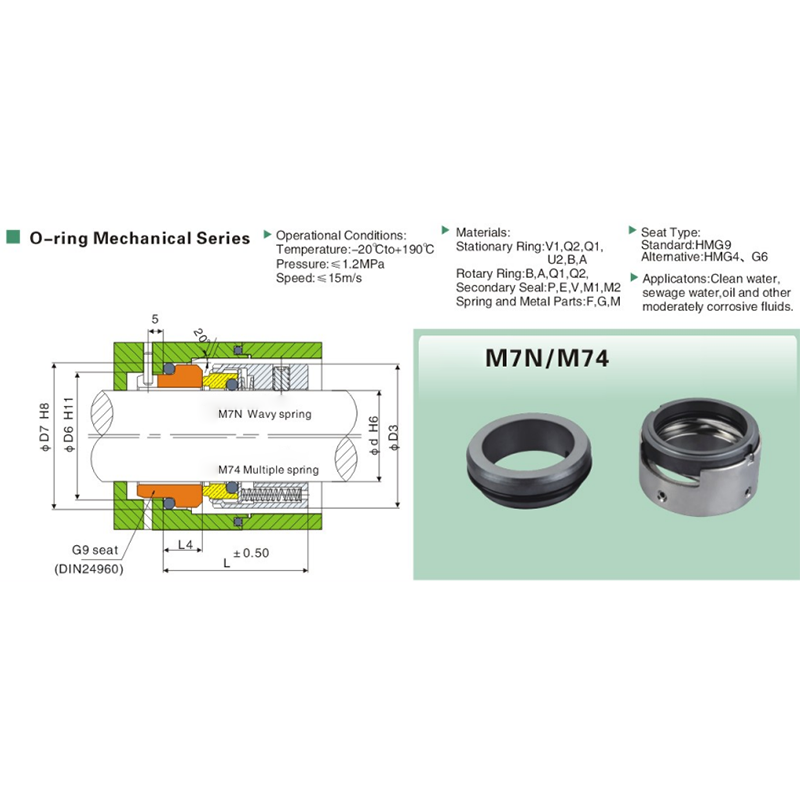
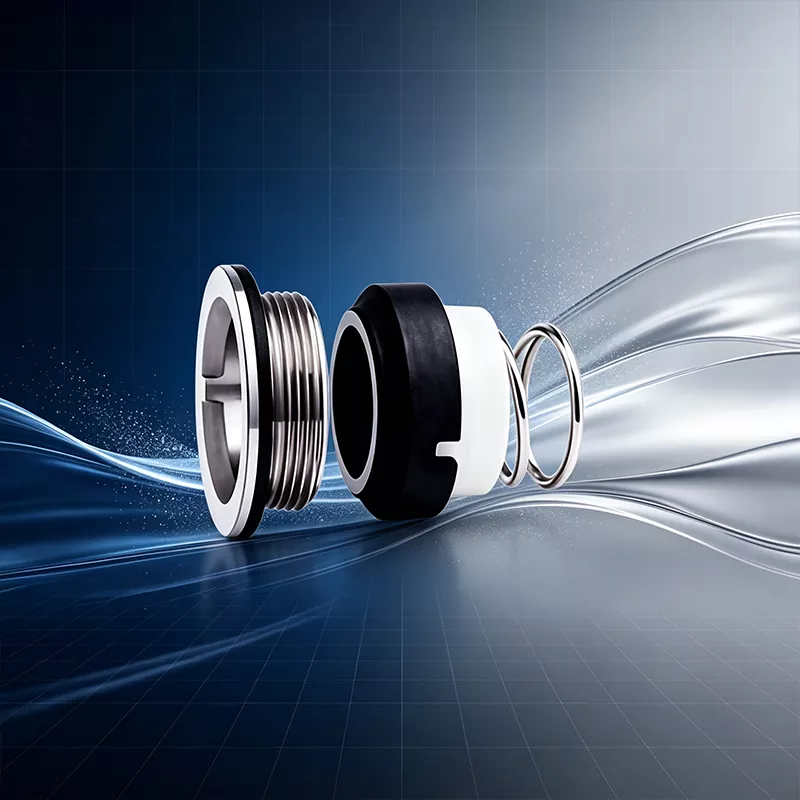
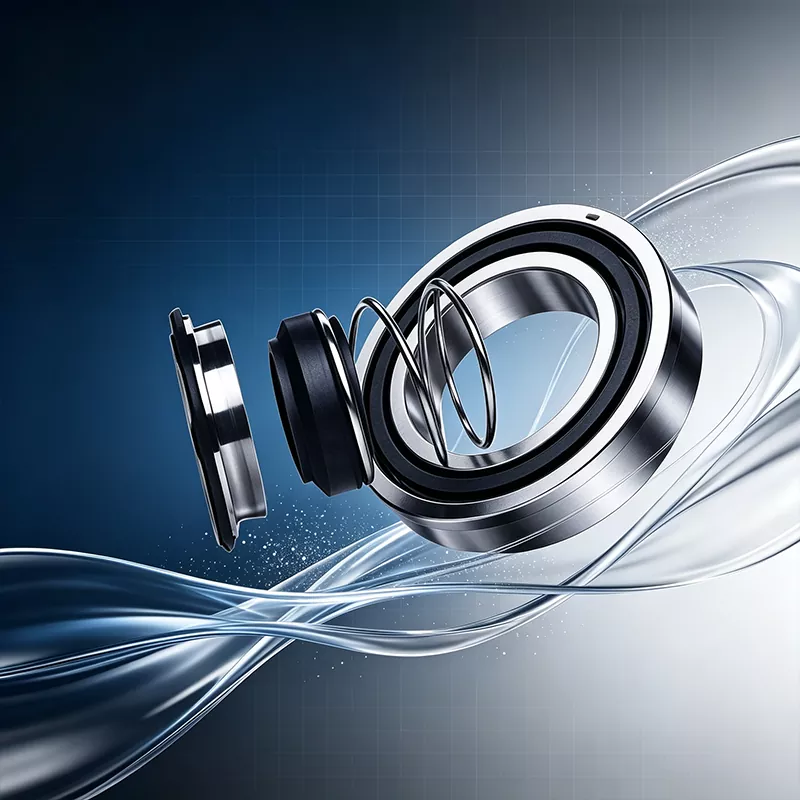
A sanitary pump mechanical seal is a precision-engineered device that creates a dynamic seal between the rotating pump shaft and the stationary pump housing. It consists of two primary sealing faces: one rotating with the shaft and one stationary in the pump head. These faces are held together by spring force and hydraulic pressure, forming a micro-thin fluid film that lubricates and cools the interface. In hygienic applications, mechanical seals must avoid dead spaces where product can accumulate. Therefore, they are constructed with smooth, crevice-free geometries and sanitary clamps or aseptic connections.
Material Selection for Optimal Performance
Material choice directly impacts seal life, CIP/SIP compatibility, and product safety. Qixing offers a comprehensive material matrix to handle diverse media properties:
-
Seal faces:
- Silicon carbide vs. silicon carbide (SiC/SiC): Excellent chemical resistance and dry-running capability, ideal for abrasive slurries and high-viscosity products.
- Silicon carbide vs. carbon (SiC/C): Superior lubricity for low-viscosity fluids; carbon face provides emergency dry-run tolerance.
- Tungsten carbide vs. tungsten carbide (WC/WC): Extreme hardness for high-pressure applications and fluids with fine particulates.
- Stainless steel vs. carbon (SS/C): Economical choice for water-like fluids in light-duty applications.
-
Elastomers:
- EPDM: Wide temperature range (-40°C to 150°C), excellent resistance to hot water, steam, and polar solvents; standard for food and dairy.
- FKM: Higher chemical resistance to acids and oils; temperature range -20°C to 200°C; often used in pharmaceutical solvent applications.
- FFKM: Near-universal chemical compatibility and temperature resistance up to 320°C; premium option for aggressive CIP media and high-temperature SIP.
- Silicone: Excellent flexibility at low temperatures but limited mechanical strength; used in low-pressure cold applications.
-
Metal components:
- AISI 316L: Standard austenitic stainless steel with low carbon content for improved corrosion resistance after welding or polishing.
- Alloy C-276: Superior resistance to chlorides, acids, and oxidizing media; recommended for seawater or highly corrosive pharmaceutical processes.
- Titanium: Lightweight and exceptionally resistant to oxidizing chlorides, used in specialized biotech and chemical applications.
Frequently Asked Questions
What is a sanitary pump mechanical seal and why is it important?
A sanitary pump mechanical seal is a mechanical device that prevents liquid from leaking out of a pump where the rotating shaft enters the pump housing. It is important because hygienic processes require zero product contamination and no environmental leakage. The seal faces are polished to extremely smooth finishes, and all wetted parts are made from FDA-compliant materials. Without a reliable sanitary seal, bacteria can harbor in crevices, product can be lost, and cleaning chemicals can enter the process stream, leading to failed audits, costly recalls, and unsafe products.
How do I choose the right seal face material for my application?
Seal face material selection depends on the pumped fluid’s viscosity, abrasiveness, temperature, and chemical composition. For general dairy and beverage products, silicon carbide versus silicon carbide offers excellent durability and dry-running capability. For low-viscosity fluids with poor lubricity, silicon carbide against carbon provides better lubrication under boundary conditions. If the product contains fine abrasive particles, tungsten carbide faces are recommended because of their extreme hardness. Always verify chemical compatibility with a Qixing engineer, especially when handling acids, solvents, or oxidizing agents.
What is the difference between a single and a double mechanical seal?
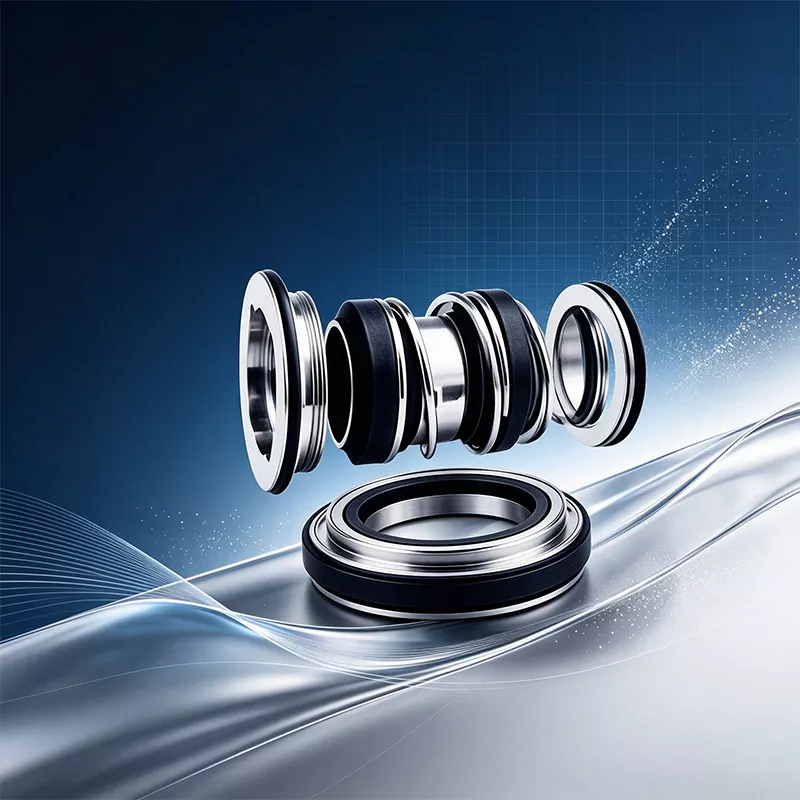
A single mechanical seal has one pair of sealing faces that separate the product from the atmosphere. It is suitable for clean, non-toxic, and non-hazardous fluids. A double mechanical seal has two pairs of faces arranged back-to-back or face-to-face with a barrier fluid between them. This design provides zero product leakage to the environment and allows the seal to run cool and lubricated even under high pressure or vacuum conditions. Double seals are commonly used in pharmaceutical, biotech, and chemical processes where product containment is critical or where the pump must handle aggressive cleaning media.
How often should sanitary mechanical seals be replaced?
There is no fixed replacement interval for sanitary mechanical seals. Service life depends on operating conditions, product characteristics, CIP/SIP frequency, and installation quality. In typical dairy and beverage plants, seals may run for 12 to 24 months. In abrasive or high-temperature pharmaceutical processes, replacement may be required every 6 to 12 months. Best practice is to inspect the seal during scheduled pump overhauls and replace faces, elastomers, and hardware whenever visible wear, cracking, or leakage is observed. Predictive maintenance using vibration analysis and seal leakage monitoring can help optimize replacement cycles.
How do I prevent product contamination from seal wear debris?
Preventing contamination from seal wear starts with selecting appropriate face materials and maintaining proper lubrication. Carbon faces can generate fine black particles as they wear, which may be unacceptable in high-purity applications. In such cases, use non-carbon face combinations such as silicon carbide versus silicon carbide or tungsten carbide versus tungsten carbide. Additionally, implement a clean flush plan using filtered product or sterile water to continually remove wear particles from the seal chamber. Regular inspection and replacement of worn faces before excessive wear occurs also minimizes debris generation.
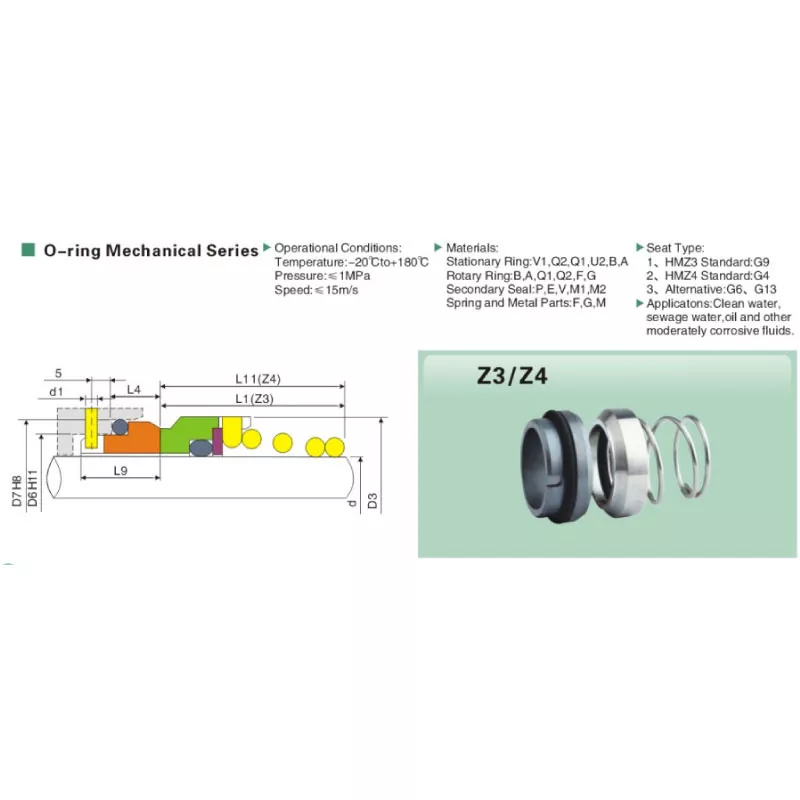
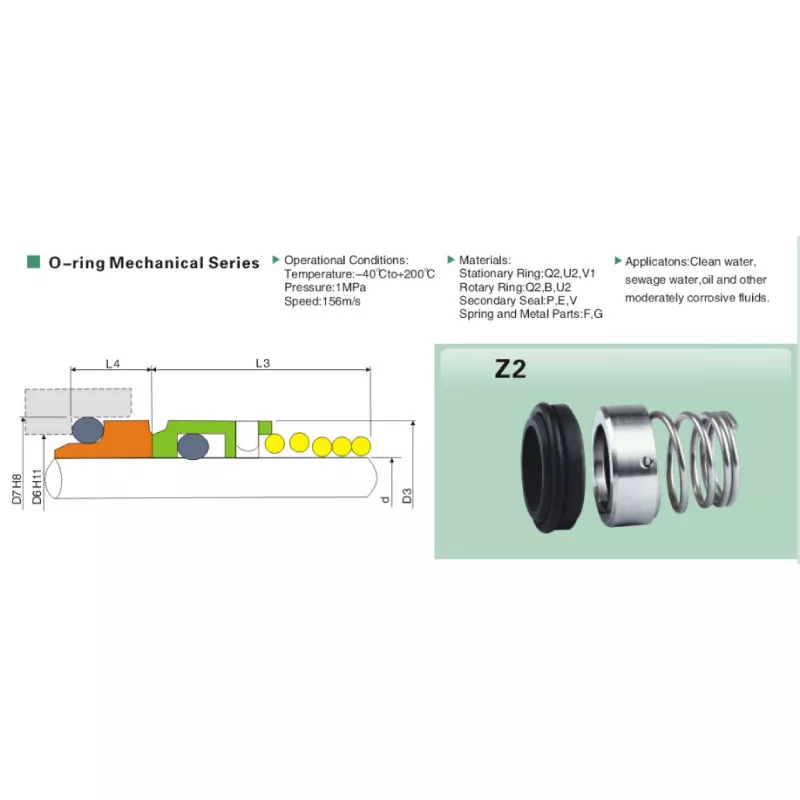
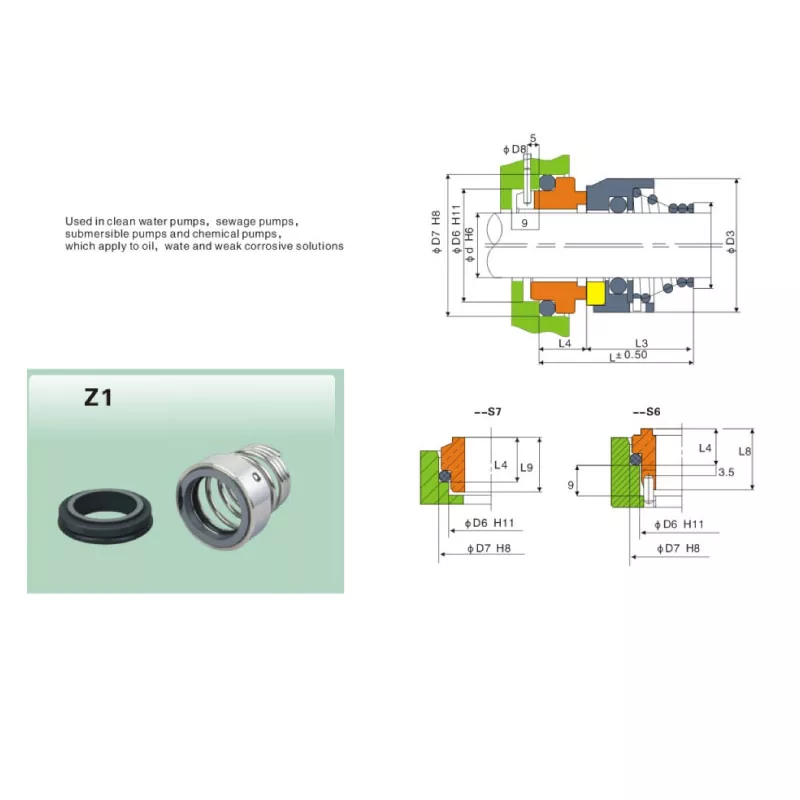
- View as
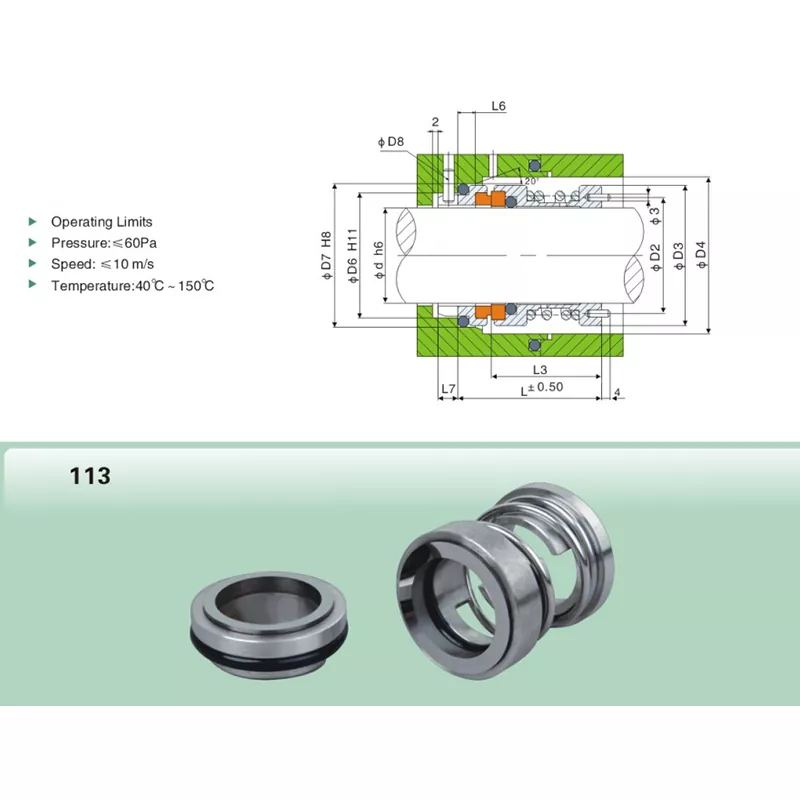
113 Sanitary Pump Mechanical Seal
The Qixing 113 Sanitary Pump Mechanical Seal is designed for small-shaft food, beverage, dairy and pharmaceutical pumps. Shaft sizes 20 mm to 65 mm, temperature -40°C to +150°C, pressure ≤ 0.6 MPa, speed ≤ 10 m/s. Stocked at the Qixing factory for OEM, wholesale and MRO supply worldwide.
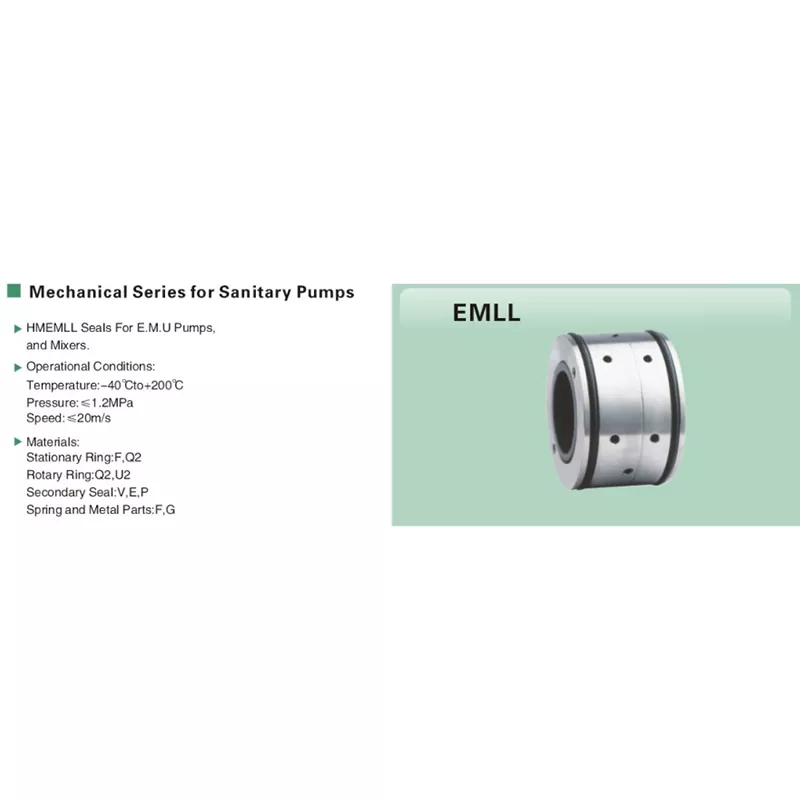
EMLL Sanitary Pump Mechanical Seal
The EMLL Sanitary Pump Mechanical Seal is a sanitary mechanical seal for E.M.U pumps, top-entry mixers and agitators in food, dairy, beverage and pharmaceutical service. Three standard shaft sizes (35 / 50 / 75 mm), -40°C to +200°C, 1.2 MPa, 20 m/s. Stocked at the Qixing factory for OEM and wholesale supply.
Qixing offers in-stock Sanitary Pump Mechanical Seals for global buyers. Buy wholesale or bulk at low price. Send inquiry now!